


エッグベネディクトの由来 ― ニューヨークで生まれた“偶然の名作”
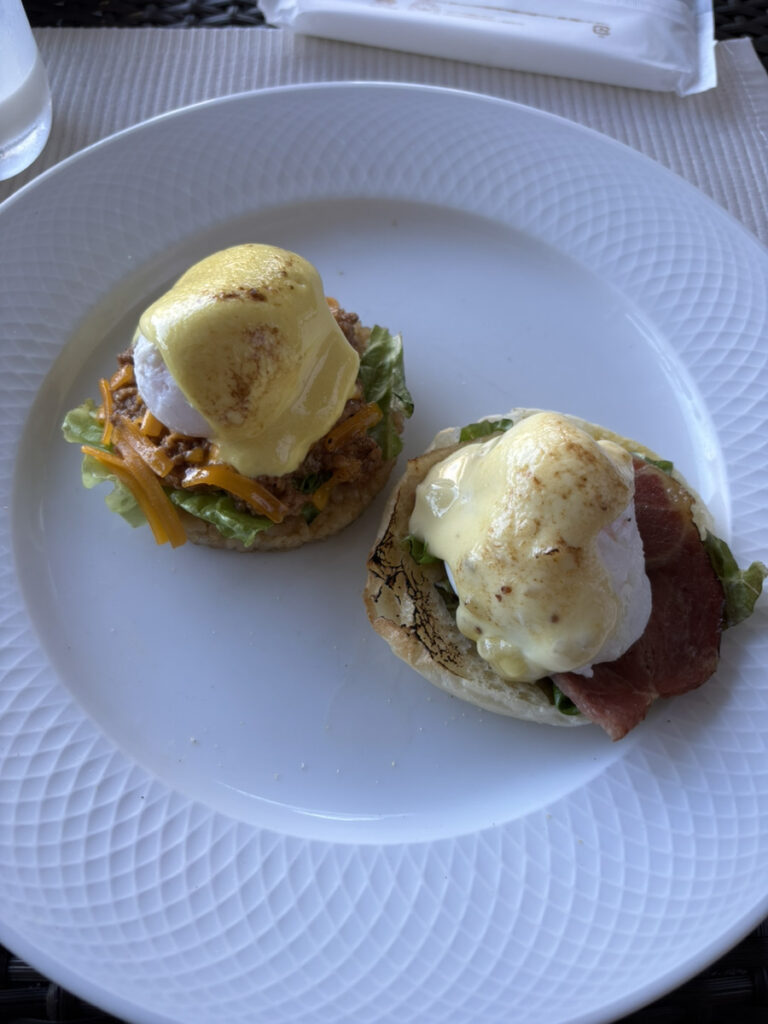
エッグベネディクトは、今や世界中のホテル朝食やブランチの定番料理だ。
しかしその誕生は、決して計算されたレシピではなかった。
起源は19世紀末のニューヨーク
エッグベネディクトの起源には諸説あるが、最も有力とされているのは1890年代のニューヨークで生まれたという説である。
舞台は、当時の高級ホテル ウォルドルフ・アストリア。
二日酔いに苦しんでいた常連客の一人、レミュエル・ベネディクト(Lemuel Benedict)が、
「トーストに、カリカリのベーコン、ポーチドエッグ、そしてオランデーズソースをかけてほしい」
と注文したのが始まりだと言われている。
この即興的な組み合わせを気に入った料理長が改良を加え、
トーストをイングリッシュマフィンに、ベーコンをハムに変更し、
正式なメニューとして提供した。
これが「Eggs Benedict」と名付けられ、広まっていった。
なぜ“ベネディクト”なのか
料理名に人名がついているのは珍しくないが、
エッグベネディクトは「考案者(または注文者)の名前」がそのまま残った代表例だ。
偶然の注文が、
クラシックな料理として100年以上生き残っている点に、この料理の魅力がある。
世界へ広がり、進化し続ける料理
エッグベネディクトは、その後世界中で独自の進化を遂げた。
• ベーコンの代わりにスモークサーモン
• アボカドやほうれん草を使ったベジタリアン仕様
• 和風アレンジ(照り焼き、味噌ソースなど)
「正解がひとつではない」ことこそが、
エッグベネディクトが長く愛される理由なのかもしれない。
English Version
The Origin of Eggs Benedict — A Classic Born from a New York Morning
Eggs Benedict is now a staple of hotel breakfasts and brunch menus around the world.
Yet its origin was not the result of careful culinary planning, but rather a moment of improvisation.
Born in Late 19th-Century New York
The most widely accepted origin story dates back to New York City in the 1890s, at the legendary Waldorf Astoria Hotel.
According to this account, a regular guest named Lemuel Benedict, suffering from a severe hangover, requested a simple but bold combination:
toast topped with crispy bacon, poached eggs, and hollandaise sauce.
The hotel’s maître d’hôtel was intrigued by the idea and refined it—
replacing toast with an English muffin and bacon with ham—before adding it to the menu.
The dish was named Eggs Benedict, and its legacy began.
Why the Name “Benedict”?
Unlike many dishes with obscure names, Eggs Benedict is believed to be directly named after the person who inspired it.
What began as an off-menu request became a timeless classic—
a reminder that some of the greatest creations emerge from spontaneity.
A Dish That Continues to Evolve
Over time, Eggs Benedict has adapted to cultures and tastes around the globe:
• Smoked salmon instead of ham
• Vegetarian versions with spinach or avocado
• Regional interpretations using local ingredients
There is no single “correct” version—
and that flexibility may be the secret behind its enduring popularity.